Tại sao nên chọn máy làm mát Rotomolded? Bộ làm mát quay vòng: Giới thiệu ngắn gọn Đỉnh cao của công nghệ làm mát di động Kỷ nguyên h...
See Details
 NGÔN NGỮ
 NGÔN NGỮ
2026-06-18
An Insulated Fish Box is a rigid, thermally insulated container designed to hold fish and seafood at or below 0°C to 4°C (32°F to 39°F) using ice, ice slurry, or refrigerant packs for the duration of transport, storage, or sale. The best insulated fish boxes are built from expanded polystyrene (EPS), rotomolded polyethylene, or injection-molded polypropylene with polyurethane foam insulation, and they keep ice for anywhere from 12 hours to 10 days depending on construction quality, wall thickness, ambient temperature, and how often the lid is opened. Whether you are a commercial fishing operator, a seafood wholesaler, a fish market retailer, or a recreational angler, the insulated fish box you choose directly determines how long your catch stays in peak condition, which in turn determines product quality, safety compliance, and profitability. This guide gives you every specification, material comparison, sizing rule, and buying criterion you need to make the right decision.
An Insulated Fish Box works by placing a layer of thermally resistant material between the cold interior and the warmer outside environment, slowing the rate of heat transfer into the box and therefore slowing the melting rate of ice inside. The key metric that governs how well any insulated fish box performs is its R-value, a measure of thermal resistance per unit thickness. A higher R-value means slower heat transfer and longer ice retention.
The most common insulation materials used in insulated fish boxes, and their approximate R-values per inch, are:
Even the best-insulated fish box will fail to preserve your catch if the ice-to-fish ratio is wrong. The standard recommendation from food safety authorities and commercial fisheries is a minimum ratio of 1:1 by weight (one part ice to one part fish). In practice, for ambient temperatures above 25°C (77°F) or for transport durations exceeding 48 hours, a ratio of 2:1 (two parts ice to one part fish) is more appropriate.
A practical example: a 100-liter insulated fish box packed with 25 kg of whole fish should contain at least 25 kg of ice initially. Since ice melts during loading and handling, most commercial operators start with 30 to 40% more ice than the calculated minimum as a buffer. The best practice is to pre-chill the box interior for at least 30 minutes before loading fish, which dramatically reduces the initial ice melt rate caused by heat absorbed by the box walls during storage.
Fish flesh is among the most temperature-sensitive of all protein foods. Bacterial growth on fish approximately doubles for every 2°C (3.6°F) increase in temperature above 0°C. At 4°C, spoilage bacteria double in population roughly every 4 to 6 hours. At 10°C, that doubles to every 2 to 3 hours. Regulatory bodies including the FDA, European Food Safety Authority (EFSA), and the Australian FSANZ mandate that fresh fish be held at or below 4°C (40°F) throughout the cold chain. Any insulated fish box that cannot reliably maintain this temperature for the expected duration of transport or storage is a compliance risk as well as a quality risk.
Insulated fish boxes fall into four main construction categories, each suited to a different combination of volume, durability, cost profile, and intended use. Understanding the differences prevents buying an EPS single-use box for an application that requires a reusable industrial container, and vice versa.
EPS insulated fish boxes are molded in one piece from expanded polystyrene beads fused under heat and pressure. They are the dominant packaging solution in commercial seafood distribution globally, used by fish processors, wholesalers, and auction markets for transporting fresh fish from landing site to retailer or end buyer. Key characteristics:
Rotomolded insulated fish boxes are manufactured by rotating a mold containing polyethylene resin in an oven, building up a seamless, uniform-thickness outer shell. The interior cavity is then filled with injected polyurethane foam insulation. This process creates a one-piece seamless construction with no seams, gaskets, or joints that can fail or leak cold air. Characteristics:
A middle-ground category between disposable EPS and premium rotomolded boxes, injection-molded polypropylene (PP) insulated fish boxes use a rigid PP outer shell with a removable or bonded EPS or polyurethane foam liner. Common in fish markets, retail seafood counters, and medium-volume distribution operations. Key characteristics:
Commercial fishing vessels often use built-in or freestanding insulated fish boxes constructed from fiberglass-reinforced plastic (FRP) or marine-grade aluminum, with polyurethane foam injected between an inner liner and the outer shell. These built-in vessel fish holds can range from 500 liters to many thousands of liters in capacity. The inner liner is typically food-grade gelcoat fiberglass or stainless steel for easy cleaning, and the foam injection ensures complete fill of the insulation cavity with no air pockets that would act as thermal bridges. These systems are engineered for the specific vessel and are not purchased off the shelf, but the thermal principles that govern portable insulated fish boxes apply equally to these fixed installations.
| Box Type | Insulation | Ice Retention | Reusable | Cost Range | Best Application |
|---|---|---|---|---|---|
| EPS molded | EPS foam | 18 to 48 hours | No (single use) | $1 to $8 | Seafood shipping, wholesale |
| Rotomolded PE | PU foam | 5 to 10+ days | Yes (10+ years) | $200 to $2,000+ | Commercial fishing, long haul |
| PP with EPS liner | EPS or PU | 24 to 72 hours | Yes (3 to 7 years) | $30 to $200 | Fish markets, catering |
| FRP or aluminum (built-in) | PU foam | 3 to 14+ days | Yes (vessel life) | Custom | Fishing vessels, large operations |
Choosing the correct size of insulated fish box is as important as choosing the correct construction type. An undersized box forces operators to stack fish above the ice level, exposing the top layer to warm air. An oversized box with too little product inside uses ice inefficiently and adds unnecessary weight and cost.
The following represents the standard size ranges used across commercial seafood operations globally. Note that the usable fish capacity is always lower than the nominal box volume because ice occupies a significant portion of the interior:
| Box Volume | Approx. Fish Payload (1:1 ratio) | Ice Required (kg) | Typical Application |
|---|---|---|---|
| 10 liters | 3 to 4 kg | 3 to 4 kg | Fillets, shellfish, retail portion |
| 20 liters | 7 to 9 kg | 7 to 9 kg | Small whole fish, prawns, local delivery |
| 30 liters | 12 to 15 kg | 12 to 15 kg | Market standard, wholesale dispatch |
| 50 liters | 20 to 25 kg | 20 to 25 kg | Medium whole fish, air freight export |
| 100 liters | 40 to 50 kg | 40 to 50 kg | Recreational fishing boat, small vessel |
| 200 liters | 80 to 100 kg | 80 to 100 kg | Commercial day vessel, large recreational |
| 400 liters | 160 to 200 kg | 160 to 200 kg | Commercial multi-day fishing vessel |
Recreational anglers often undersize their insulated fish box because they plan around the fish they expect to catch rather than the fish they could catch on a good day. A practical sizing approach:
Commercial operations that move fish on standard pallets should select insulated fish box dimensions compatible with standard pallet sizes. The most common pallet footprints globally are:
Beyond material and size, a number of specific design features separate an excellent insulated fish box from an average one. These features directly affect ice retention performance, sanitation, durability, and ease of use in commercial and recreational settings.
A gap-free, airtight lid seal is arguably as important as insulation wall thickness for real-world ice retention. Even a 1 mm gap around the lid perimeter allows continuous warm air convection into the box that can reduce effective ice retention by 30 to 50% compared to a fully sealed lid of identical wall thickness. Features that indicate a high-quality lid seal:
As ice melts, the resulting meltwater accumulates at the bottom of the insulated fish box. This meltwater is cold and continues to help cool the fish as long as it remains in the box, but eventually it needs to be drained without removing the fish and ice. A well-positioned drain plug at the lowest point of the box body, with a stopper that seals completely when closed, is a non-negotiable feature for:
Quality drain plugs are made from food-grade stainless steel or polypropylene and include an integrated screen to prevent ice and fish scales from blocking the drain channel. Budget boxes often use poorly fitting rubber stoppers that leak cold air when closed and drip when the box is tilted.
The interior surface of any insulated fish box used in commercial food handling must comply with food contact material regulations. In practice this means:
A 100-liter insulated fish box loaded with fish and ice at a 1:1 ratio can weigh 100 to 120 kg or more. Handling boxes of this weight without mechanical assistance creates manual handling injury risks. Quality mobility features to look for:
Insulated fish boxes used outdoors — on fishing vessels, loading docks, or market display stands — are exposed to direct sunlight and UV radiation that degrades many plastic materials over time. For boxes intended for prolonged outdoor use:
The type of ice used in an insulated fish box is as consequential as the box itself. Different ice forms have different surface contact areas, different melting rates, different abilities to penetrate into gill cavities and body cavities, and different effects on fish flesh texture.
Flake ice is produced as thin, flat irregular flakes approximately 2 to 3 mm thick. It is the preferred ice form for packing fresh fish because its high surface area-to-volume ratio allows it to conform closely around irregular fish shapes, maximizing surface contact and therefore heat extraction rate. Flake ice at minus 5°C to minus 7°C (as it exits the flake ice machine) rapidly cools the fish surface while causing minimal bruising or pressure damage to delicate fish flesh and skin. A correctly designed insulated fish box paired with quality flake ice and a 1:1 ratio can bring a whole fish from 15°C (catch temperature on a warm day) to below 4°C within 30 to 60 minutes.
Block ice in large pieces (5 to 25 kg blocks) has a very low surface area-to-volume ratio, which means it melts slowly but also extracts heat from fish slowly. Block ice is used primarily in situations where regular ice replenishment is impossible (remote locations, extended vessel trips) and longevity of the ice supply takes priority over rapid cooling. For best results with block ice, it should be crushed before use in an insulated fish box to increase surface area. A 25 kg block of ice crushed to 50 to 100 mm chunks provides significantly better fish contact and cooling performance than the same ice left in block form.
Slurry ice (also called liquid ice or flow ice) is a pumpable mixture of small ice crystals and water at a typical ratio of 35 to 40% ice by weight in chilled seawater or fresh water. Its critical advantage is that it flows into all cavities of the fish — gill chambers, body cavities, and spaces between packed fish — that solid ice cannot reach. Studies have shown that fish packed in slurry ice reach core temperatures below 0°C approximately 3 to 5 times faster than fish packed with equivalent flake ice, and the shelf life of slurry-iced fish is consistently extended by 1 to 3 days compared to flake-iced fish of similar species. The limitation is that slurry ice requires a specialized machine for on-site production and is not practical for small-scale or recreational operations.
| Ice Type | Cooling Speed | Fish Contact | Longevity in Box | Best Use Case |
|---|---|---|---|---|
| Flake ice | Fast | Excellent | Moderate | Standard commercial packing |
| Crushed block ice | Moderate | Good | Good | Remote locations, long trips |
| Block ice (whole) | Slow | Poor | Very long | Extended vessel voyages |
| Slurry ice | Very fast | Exceptional | Moderate | Premium seafood, longest shelf life |
| Gel refrigerant packs | Slow | Poor | Good | Retail consumer delivery, no drip |
Each use context for an insulated fish box places different demands on performance, size, compliance, and durability. The following section provides a direct specification recommendation for each major use category.
For commercial fishing vessels on trips of 2 to 10 days, the insulated fish box must maintain temperatures below 4°C for the entire trip duration without ice replenishment. The correct choice is a rotomolded polyethylene insulated fish box with minimum 65 mm polyurethane foam walls, available in sizes from 200 to 400 liters, with a full-perimeter gasket seal, at least two latches per side, and a stainless steel drain plug at the lowest point of the interior floor. Ice loading at a 2:1 ratio for trips exceeding 48 hours ensures adequate cooling capacity even as ambient temperatures rise and ice mass reduces.
For fish market display and retail applications, the insulated fish box must be easily cleaned between uses, visually presentable at a point of sale, and compliant with food contact material regulations. The best choice for this application is a polypropylene-shelled box with a smooth white interior, available in 30 to 60 liter sizes that can be pressure-washed with standard food-grade sanitizers. Many fish market operators use open-topped display tray inserts within a larger insulated box, allowing the ice and product display to be refreshed while the insulated box body remains in position.
In air freight export of fresh seafood, every kilogram of packaging weight reduces the available fish payload or increases freight cost. EPS insulated fish boxes dominate this application because a standard 30-liter EPS box weighs as little as 800 grams, compared to 6 to 12 kg for an equivalent polypropylene or rotomolded box. For export shipments by air, the expected transit time from packing to delivery is typically 18 to 36 hours, which is well within the ice retention capability of a properly loaded EPS insulated fish box at 25 to 35 mm wall thickness. Outer master carton packaging (corrugated cardboard) provides structural protection in transit. Export boxes should carry IATA Packing Instruction 959 approval markings if they will be shipped as checked cargo on passenger aircraft.
For recreational anglers who fish one to three days at a time and want a box that doubles as a seat and a cooler, the best value insulated fish box is a rotomolded polyethylene box in the 50 to 100 liter range with a rated ice retention of at least 4 days. Brands such as Yeti, ORCA, Canyon, and Pelican all produce boxes in this category at various price points. Key features that matter most for recreational use:
Even the highest-performance insulated fish box delivers poor results if loaded, used, and stored incorrectly. The following practices represent the standard operating procedures used by professional seafood operations to maximize box performance and service life.
A box stored at ambient temperature (25 to 35°C on a summer day) has walls that have absorbed significant heat. If fish and ice are loaded directly into a warm box, the first wave of ice melt goes entirely into cooling the box walls, not the fish. Pre-chilling procedure:
This practice alone can extend effective ice retention by 6 to 12 hours in a quality rotomolded box.
Ice is the medium that does the cooling, and it must surround the fish on all sides to be effective. Proper layering:
A reusable insulated fish box that is not thoroughly cleaned between uses becomes a source of cross-contamination and accelerated spoilage for subsequent product. The recommended cleaning protocol for PP and rotomolded PE boxes:
An Insulated Fish Box is a thermally insulated container specifically designed to hold fish and seafood at or below 4°C using ice or refrigerant packs. It differs from a general-purpose cooler in several important ways: it typically has a food-grade smooth interior certified for direct contact with raw seafood, a drain plug for removing meltwater without unloading the contents, structural design capable of stacking under load, and in commercial versions, dimensional compatibility with standard pallets. The insulation materials and wall thicknesses are also optimized for the longer retention periods required in seafood logistics rather than the shorter beverage-chilling duty of a typical consumer cooler.
Ice retention in an insulated fish box ranges from 18 to 48 hours in a standard EPS box at 20 to 30°C ambient, to 5 to 10 days in a premium rotomolded polyethylene box with 65 to 75 mm polyurethane foam walls under the same conditions. Factors that reduce ice retention include opening the lid frequently, insufficient initial ice charge (less than a 1:1 ice-to-fish ratio), loading warm fish or a warm box without pre-chilling, and a damaged or poorly sealing lid gasket. Pre-chilling the box before loading fish can extend effective ice retention by 6 to 12 hours regardless of box type.
The minimum recommended ice-to-fish ratio is 1:1 by weight (equal weights of ice and fish) for transport durations up to 24 hours in moderate ambient temperatures (below 25°C). For durations above 24 hours or ambient temperatures above 25°C, a ratio of 2:1 (two parts ice to one part fish) by weight is recommended. Commercial seafood operators routinely add 30 to 40% more ice than the calculated minimum at the start of a trip to account for the initial melt burst when warm fish first contact the ice. Always pre-chill the box for at least 30 minutes before loading to reduce the initial melt rate.
For a recreational fishing day targeting medium-sized species and expecting a catch of 10 to 20 kg of whole fish, a 70 to 100 liter insulated fish box is the appropriate size. This accommodates 20 kg of fish, 20 to 40 kg of ice at a 1:1 to 2:1 ratio, and provides volume buffer to prevent overfilling that compromises the lid seal. If the catch will be filleted and gilled before boxing, the volume requirement is reduced by approximately 50 to 60% since fillet blocks are far more space-efficient than whole fish packed in ice.
EPS insulated fish boxes are designed as single-use packaging in most commercial food safety frameworks because EPS is porous at a microscopic level and absorbs fish odors, blood proteins, and bacteria that cannot be fully removed by practical cleaning methods. In a home or recreational context, EPS boxes can be reused a limited number of times if rinsed thoroughly with cold water immediately after use and allowed to dry completely. However, any EPS box showing discoloration, persistent odor, physical damage, or compression of the foam walls should be discarded. Reusable commercial operations should use PP-shelled or rotomolded PE boxes that can be properly sanitized.
Flake ice is the best all-round ice type for insulated fish boxes in commercial and recreational applications. Its thin, flat form conforms closely around fish of any shape, maximizing the cooling surface contact area and allowing rapid temperature reduction. It causes minimal physical damage to delicate fish flesh compared to cubed or chipped ice. Slurry ice (a pumpable ice-water mixture) outperforms flake ice for cooling speed and shelf life extension but requires specialized equipment. Whole block ice lasts longest but is the least effective for cooling fish quickly due to its very low surface area relative to its mass.
For any insulated fish box used in commercial food handling, look for certifications confirming that interior materials meet food contact safety standards. In Europe, the relevant standard is EU Regulation 10/2011 for plastic food contact materials. In the United States, the relevant standard is FDA 21 CFR (Code of Federal Regulations) Title 21, covering food contact materials. Boxes used in HACCP-regulated operations should also be constructed with cleanable, non-porous interior surfaces and rounded corners as specified in your HACCP plan. Reputable manufacturers provide compliance documentation on request.
Meltwater should be left in the box as long as it is cold (at or near 0°C) because cold water in direct contact with fish continues to extract heat effectively. However, once the water temperature rises above approximately 4°C — which can be assessed by inserting a thermometer into the meltwater — it should be drained and the ice charge replenished. On a practical basis, most commercial operators drain meltwater through the drain plug every 12 to 24 hours and check whether ice replenishment is needed at the same time. Meltwater should never be allowed to rise above the level of the fish, as fish submerged in water above 4°C degrade faster than fish surrounded by ice at 0°C.
Clean a reusable insulated fish box immediately after emptying using the following sequence: first, rinse with cold fresh water to remove gross contamination; second, wash all interior and exterior surfaces with hot water and food-grade detergent using a stiff brush; third, rinse thoroughly to remove all detergent; fourth, sanitize with a 200 ppm chlorine solution or approved food-grade quaternary ammonium sanitizer; fifth, air-dry completely with the lid open before storage. Never use solvent-based cleaners, abrasive pads, or high-pressure steam in excess of 80°C on EPS-lined boxes, as these damage the insulation. Inspect the lid gasket and latches during each cleaning cycle and replace if worn.
The single most important feature in a premium insulated fish box is a full-perimeter airtight lid gasket combined with a secure latch system. Insulation wall thickness determines the maximum possible ice retention, but a poorly sealing lid renders that insulation partially ineffective by allowing constant warm air infiltration. A box with a perfect gasket seal and average wall insulation will outperform a box with excellent wall insulation and a poor lid seal in real-world conditions. After the lid seal, the next most important features are polyurethane foam insulation with a minimum effective thickness of 50 mm for multi-day performance, a correctly positioned drain plug, food-grade interior materials, and UV-stabilized exterior construction for outdoor durability.
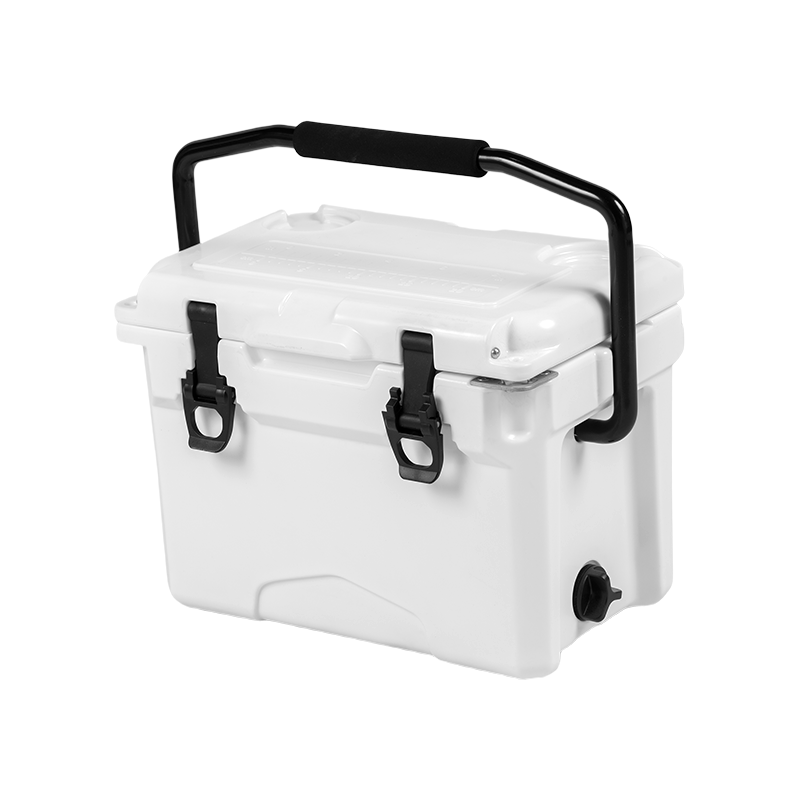
Tại sao nên chọn máy làm mát Rotomolded? Bộ làm mát quay vòng: Giới thiệu ngắn gọn Đỉnh cao của công nghệ làm mát di động Kỷ nguyên h...
See Details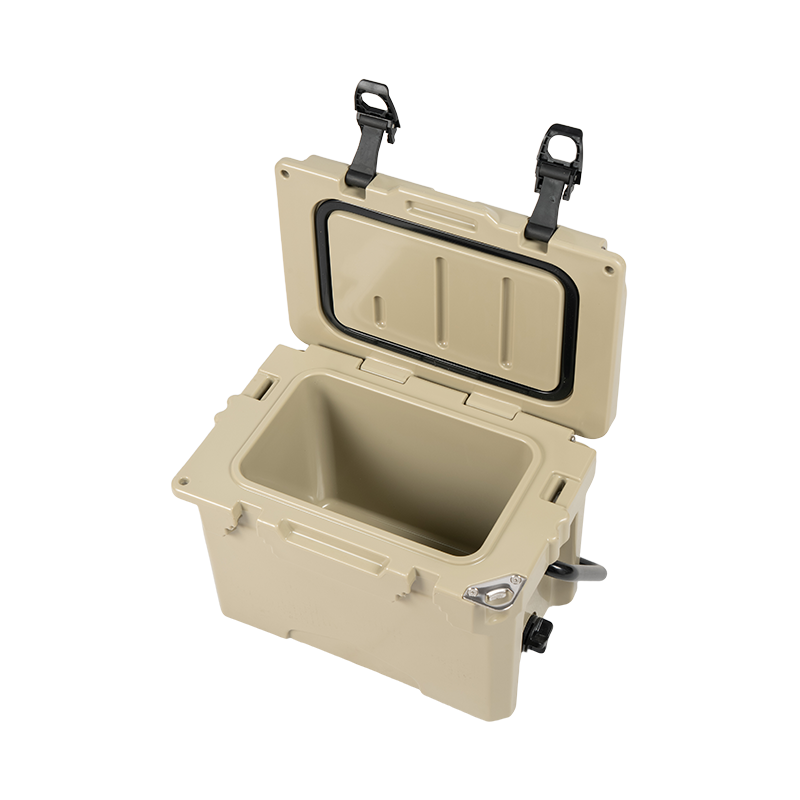
Giới thiệu về bồn cá cách nhiệt Khi bạn ở trên biển, cho dù đó là chuyến đi câu cá biển sâu hay một ngày thư giãn trên hồ, độ tươi của sản phẩ...
See Details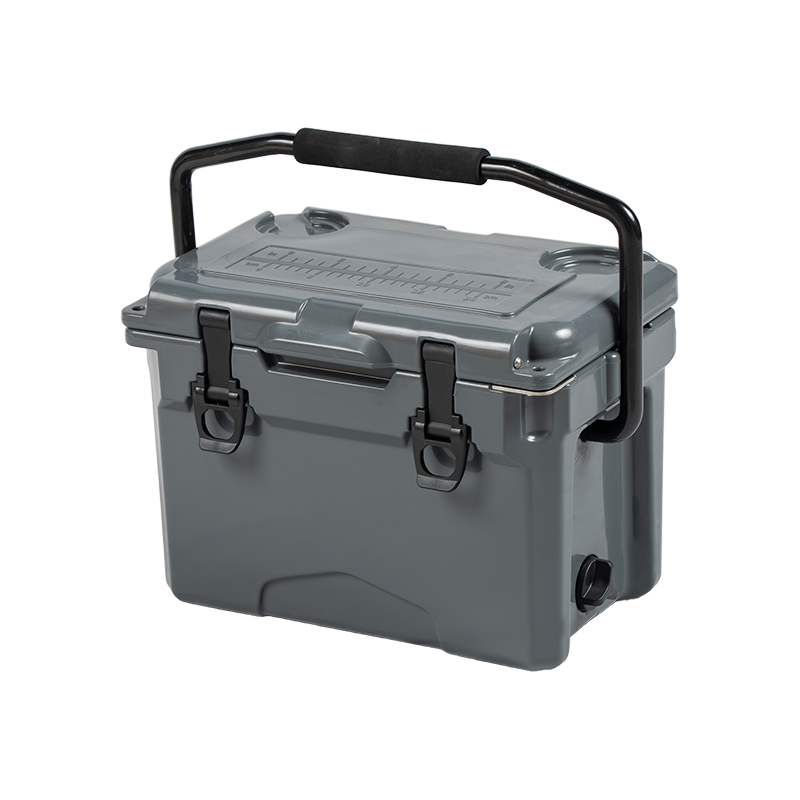
1. Chất lượng cách nhiệt trong hộp làm mát ngoài trời Khi chọn một hộp làm mát ngoài trời , một trong những yếu tố quan trọng nh...
See Details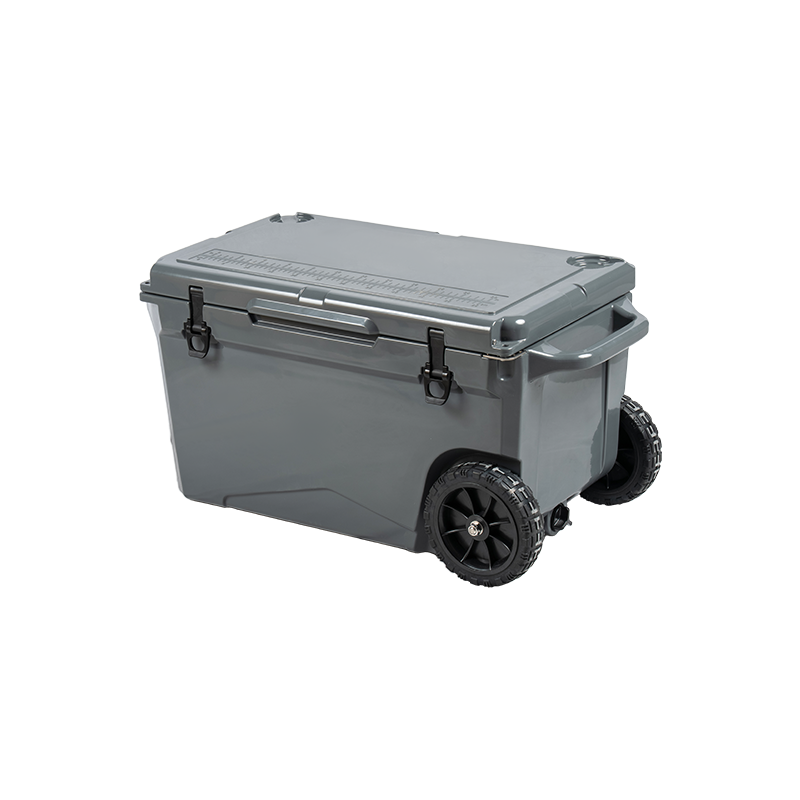
Ưu điểm chưa từng có của HỘP LÀM MÁT ROTOMOLDING Xác định Tiêu chuẩn cao cấp: Chính xác thì thế nào là HỘP LÀM MÁT KHUÔN QUAY ? các HỘP ...
See Details

Thông tin liên hệ
 Số 6, Đường Guantong, Khu Nam, Khu công nghiệp Thị trấn Xiaocaoe, Ninh Ba, Chiết Giang, Trung Quốc
+86-17315100107
Số 6, Đường Guantong, Khu Nam, Khu công nghiệp Thị trấn Xiaocaoe, Ninh Ba, Chiết Giang, Trung Quốc
+86-17315100107
 [email protected]
 (+86) 186 6855 6876
Bản quyền © Ningbo Nelgreen Outdoor Products Co., Ltd. All Rights
Đã đặt trước
 Hộp cách nhiệt hải sản